Die Wette
Part 1 · The Bet · tap a sentence to hear it
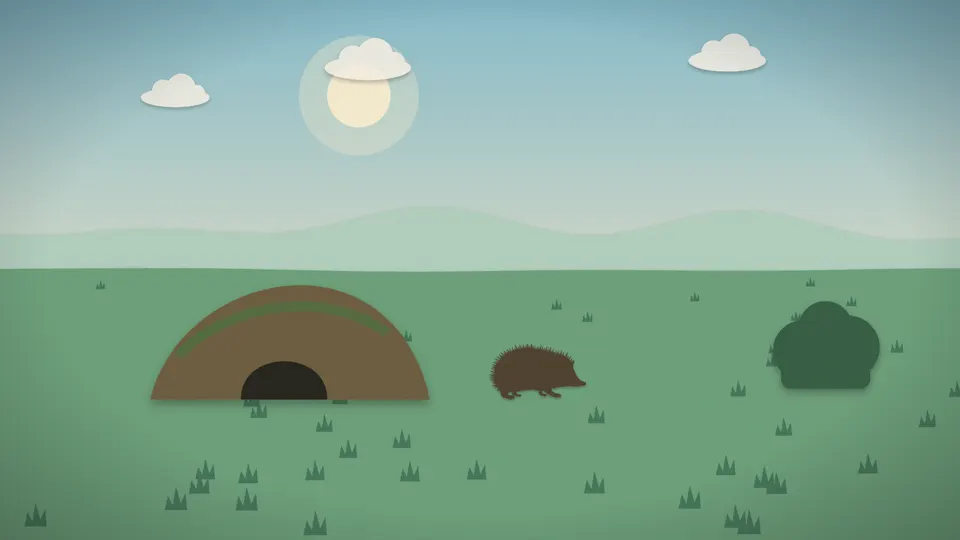
Diese Geschichte klingt wie eine Lüge, aber sie ist doch wahr.
This story sounds like a lie, but it is true all the same.
Mein Großvater hat sie mir erzählt.
My grandfather told it to me.
Er sagte immer: „Wahr muss sie sein, sonst könnte man sie nicht erzählen.“
He always said: "It must be true, or else no one could tell it."
Es war an einem Sonntagmorgen im Herbst.
It was on a Sunday morning in autumn.
Der Buchweizen blühte, und die Sonne schien hell am Himmel.
The buckwheat was in bloom, and the sun shone brightly in the sky.
Ein warmer Wind wehte über die Felder.
A warm wind blew over the fields.
Die Lerchen sangen, die Bienen summten, und die Leute gingen in ihren Sonntagskleidern in die Kirche.
The larks sang, the bees hummed, and people went to church in their Sunday clothes.
Alle Tiere waren froh, und der Igel auch.
All the animals were happy, and so was the hedgehog.
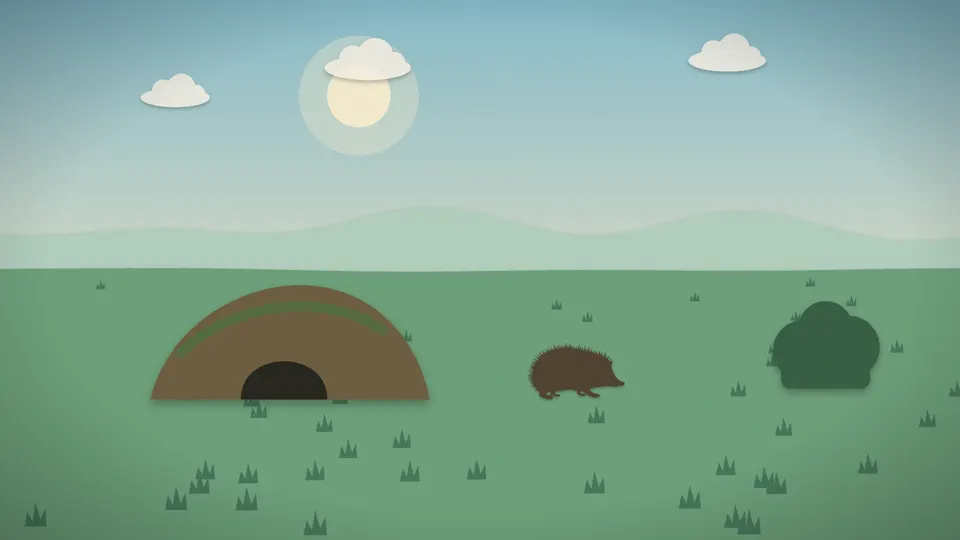
Der Igel stand vor seiner Tür und sang ein kleines Lied.
The hedgehog stood at his door and sang a little song.
Er hatte die Arme verschränkt und sah in den Morgenwind.
He had folded his arms and looked out into the morning wind.
Da dachte er: „Meine Frau wäscht die Kinder und zieht sie an.“
Then he thought: "My wife is washing the children and dressing them."
„Unterdessen gehe ich ein bisschen auf das Feld und sehe nach meinen Rüben.“
"Meanwhile I'll go out to the field for a bit and look at my turnips."
Die Rüben wuchsen ganz nah bei seinem Haus.
The turnips grew very close to his house.
Seine Familie aß oft davon.
His family often ate some of them.
Darum hielt er sie für seine eigenen Rüben.
So he thought of them as his own turnips.
Er machte die Tür hinter sich zu und ging los.
He shut the door behind him and set off.
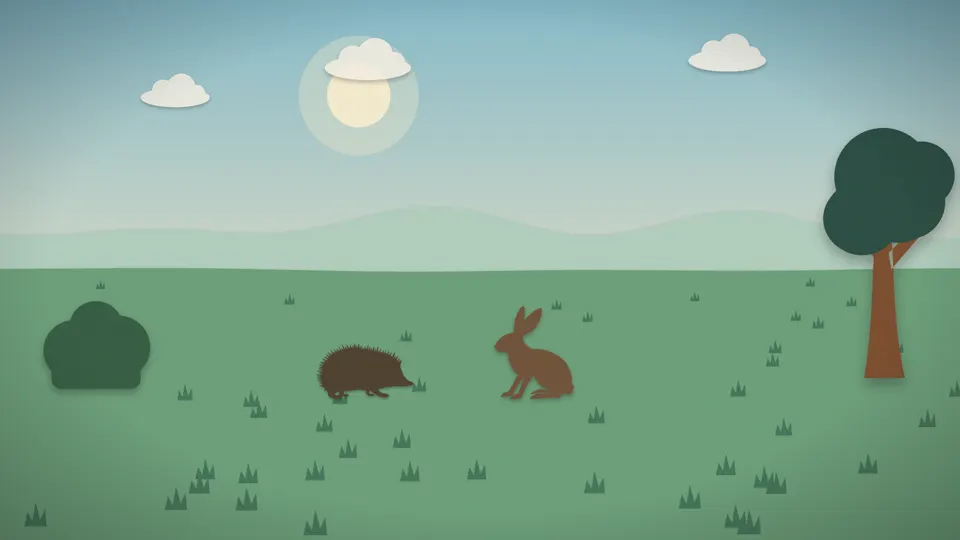
Bei dem Schlehenbusch am Feld traf er den Hasen.
By the sloe bush at the field he met the hare.
Der Hase wollte nach seinem Kohl sehen.
The hare wanted to look at his cabbage.
Der Igel sagte freundlich: „Guten Morgen!“
The hedgehog said kindly: "Good morning!"
Aber der Hase war ein vornehmer Herr und sehr hochmütig.
But the hare was a grand gentleman and very proud.
Er grüßte nicht zurück.
He did not greet him back.
Spöttisch fragte er: „Warum läufst du so früh am Morgen auf dem Feld herum?“
Mockingly he asked: "Why are you running about the field so early in the morning?"
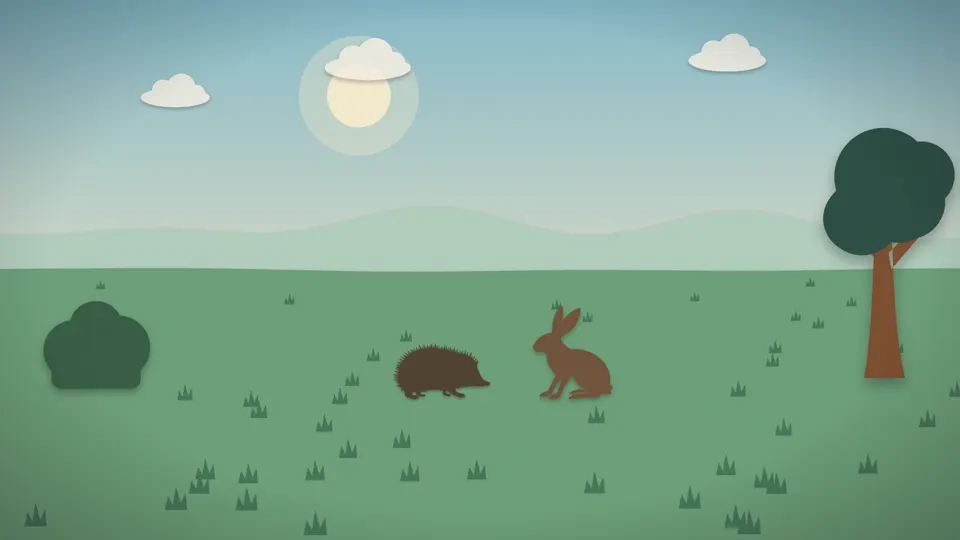
„Ich gehe spazieren“, sagte der Igel.
"I'm going for a walk," said the hedgehog.
„Spazieren?“, lachte der Hase. „Du könntest deine Beine für bessere Dinge brauchen.“
"A walk?" laughed the hare. "You could use your legs for better things."
Das ärgerte den Igel sehr.
That annoyed the hedgehog a great deal.
Denn seine Beine waren von Natur aus krumm.
For his legs were crooked by nature.
Über alles konnte man lachen, nur nicht über seine Beine.
One could laugh about anything, only not about his legs.
Da wurde der kleine Igel richtig böse.
Then the little hedgehog got really angry.
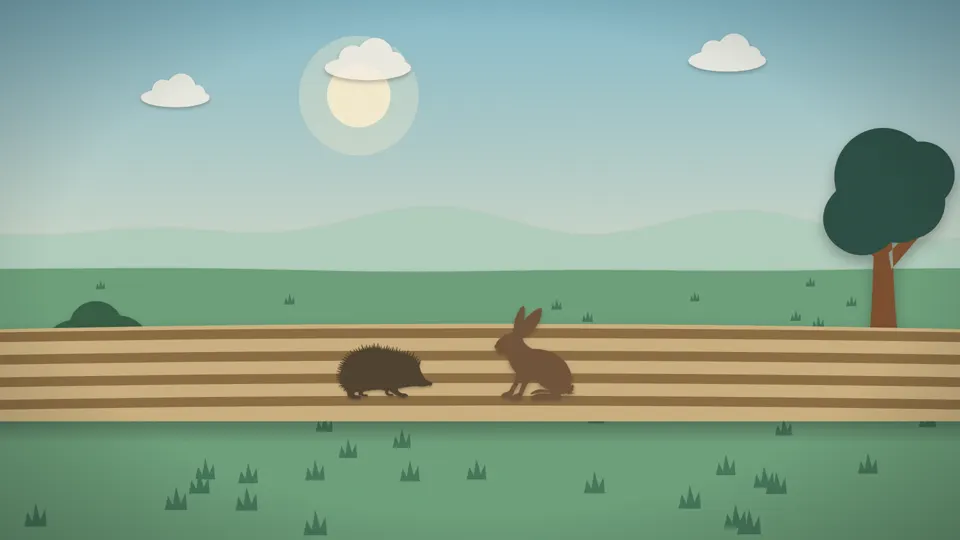
„Du glaubst wohl, du kannst mit deinen Beinen mehr?“, fragte der Igel.
"I suppose you think you can do more with your legs?" asked the hedgehog.
„Das denke ich“, sagte der Hase.
"I think so," said the hare.
„Das wollen wir sehen“, sagte der Igel. „Ich wette, wenn wir um die Wette laufen, bin ich schneller.“
"We'll see about that," said the hedgehog. "I bet that if we race, I'll be faster."
„Das ist zum Lachen, mit deinen krummen Beinen!“, sagte der Hase.
"That's laughable, with your crooked legs!" said the hare.
„Aber meinetwegen. Um was wetten wir?“
"But all right. What shall we bet?"
„Um ein Goldstück und eine Flasche Schnaps“, sagte der Igel.
"A gold coin and a bottle of brandy," said the hedgehog.
„Abgemacht“, sagte der Hase. „Es kann gleich losgehen.“
"Agreed," said the hare. "We can start right away."
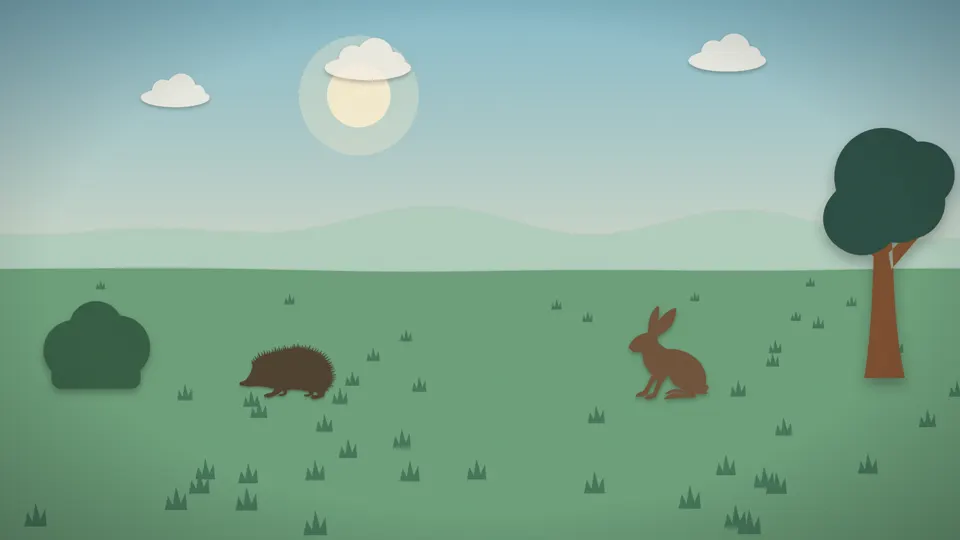
„Nein, nicht so eilig“, sagte der Igel. „Ich habe noch nicht gefrühstückt.“
"No, not so fast," said the hedgehog. "I haven't had breakfast yet."
„Ich gehe erst nach Hause. In einer halben Stunde bin ich wieder hier.“
"First I'll go home. In half an hour I'll be back here."
Der Hase war damit zufrieden.
The hare was happy with that.
Unterwegs dachte der Igel: „Der Hase verlässt sich auf seine langen Beine.“
On the way the hedgehog thought: "The hare relies on his long legs."
„Aber er ist ein dummer Kerl, und bezahlen soll er doch.“
"But he is a stupid fellow, and he will pay all the same."
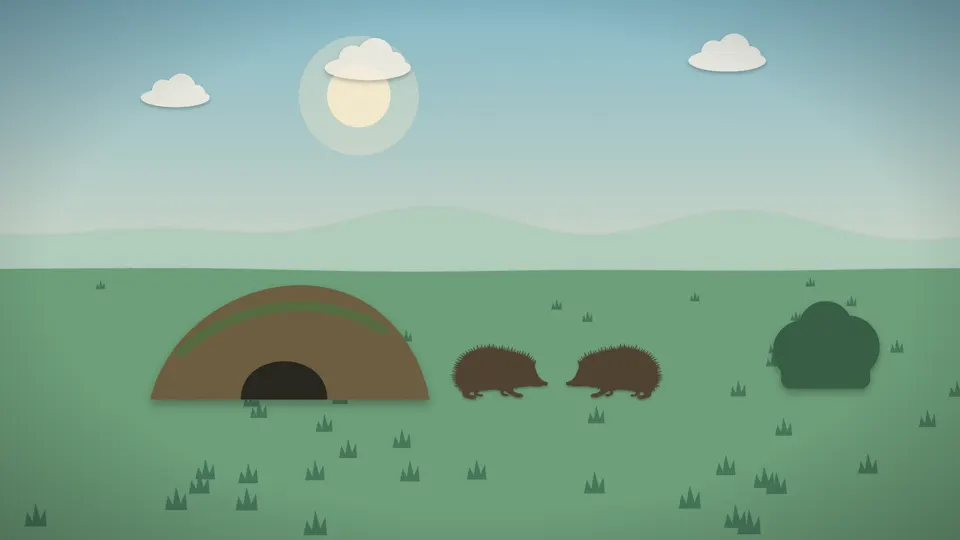
Zu Hause sagte der Igel zu seiner Frau: „Zieh dich schnell an! Du musst mit mir auf das Feld.“
At home the hedgehog said to his wife: "Get dressed quickly! You must come with me to the field."
„Was ist denn los?“, fragte seine Frau.
"What's the matter?" asked his wife.
„Ich habe mit dem Hasen um ein Goldstück und eine Flasche Schnaps gewettet. Wir laufen um die Wette.“
"I've bet the hare a gold coin and a bottle of brandy. We're going to race."
„Ach Gott, Mann!“, rief die Frau. „Bist du nicht klug? Wie kannst du mit dem Hasen um die Wette laufen?“
"Oh God, husband!" cried his wife. "Have you lost your wits? How can you race the hare?"
„Das ist meine Sache“, sagte der Igel. „Zieh dich an und komm mit.“
"That's my business," said the hedgehog. "Get dressed and come along."
Was sollte die Frau machen? Sie musste mitgehen, ob sie wollte oder nicht.
What could his wife do? She had to go along, whether she wanted to or not.